|
Toyota Heritage · Katakana · Est. 1936 The Toyota "TEQ" Logo:
| ||||||||||
|---|---|---|---|---|---|---|---|---|---|---|
|
Chapter 1 |
||||||||||
|
The characters T, E, and Q do not appear in the logo at all. The mark is actually a stylized version of the company name written in Katakana, one of the three Japanese writing systems alongside Hiragana and Kanji. Katakana is phonetic, meaning each character represents a sound rather than a concept. To write "Toyota" in Katakana, you use three specific characters: |
||||||||||
|
||||||||||
|
When these three characters are stylized and placed inside a circle, the ト (To) looks like a T, the ヨ (Yo) resembles an E, and the タ (Ta) looks remarkably like a Q. This visual coincidence has led thousands of Western enthusiasts to call it the "TEQ logo", but in Japan, it is simply read as Toyota. |
||||||||||
|
Chapter 2 |
||||||||||
|
The company was originally named Toyoda, after its founder Sakichi Toyoda. The Toyoda Automatic Loom Works started as a textile business, famous for inventing automatic looms that revolutionized the industry. They didn't even begin manufacturing automobiles until the 1930s. |
||||||||||
|
In 1936, three years after establishing their automobile department, the company held a public competition to design a new logo. The response was massive, over 27,000 entries submitted from across Japan. The winning design, created by Tetsuo Katayama, was a sleek Katakana representation of the name. But the executives made one crucial change before finalizing it. |
||||||||||
|
The original family name, Toyoda (トヨダ), requires 10 strokes to write in Japanese calligraphy. The "da" sound is created by adding two small marks called dakuten to the "ta" character. By dropping those two marks, the name became Toyota (トヨタ), and this change was deliberate for three powerful reasons: |
||||||||||
|
||||||||||
|
Chapter 3 |
||||||||||
|
The TEQ Katakana mark was the face of Toyota from 1936 through the late 1980s. You'll find it on: |
||||||||||
|
||||||||||
|
||||||||||
|
Chapter 4 |
||||||||||
|
||||||||||
|
The TEQ mark represents a time when Toyota was a scrappy underdog, transitioning from weaving fabric to weaving the fabric of the automotive world. While the modern oval says "global corporation," the Katakana mark says "we built this with our hands." That's why enthusiasts, from IH8MUD forum veterans to TacomaWorld builders, still wear it with pride. |
||||||||||
|
Chapter 5 |
||||||||||
|
The TEQ mark has experienced a massive resurgence in the off-road and vintage Toyota community. It's become the unofficial badge of the Land Cruiser restoration movement, the FJ40 collector market, and the broader Toyota heritage culture that spans FJ owners, Tacoma builders, 4Runner overlanders, and Hilux fans worldwide. You'll see it on hats at King of the Hammers, on stickers in the Rubicon Trail staging area, embroidered on shop rags at independent Toyota mechanics, and screen printed on event tees at every Land Cruiser meet from Moab to the Cruise Moab gathering. |
||||||||||
TL;DR: The Quick VersionIt's not English. The "TEQ" logo is the word "Toyota" written in Japanese Katakana: ト (To) + ヨ (Yo) + タ (Ta). The name change. The company changed from "Toyoda" to "Toyota" in 1936 after a 27,000-entry design competition. Lucky number 8. "Toyota" takes 8 brush strokes, a number symbolizing prosperity and growth in Japan. Used 1936–1989. Found on FJ40s, Hilux, Celica, Corolla, 2000GT, and all OEM parts packaging from that era. |
||||||||||
What does TEQ stand for on Toyota?TEQ doesn't stand for anything in English. It's a visual coincidence, the logo is the word "Toyota" written in Japanese Katakana characters: ト (To), ヨ (Yo), タ (Ta). When stylized inside a circle, these characters look like T, E, and Q to Western eyes, but they're read as "Toyota" in Japanese.Why did Toyoda change to Toyota?In 1936, the company changed from "Toyoda" to "Toyota" because writing Toyota in Katakana requires exactly 8 brush strokes, while Toyoda requires 10. The number 8 is extremely lucky in Japanese culture, the kanji 八 widens at the bottom, symbolizing growing prosperity. The name change also separated the business from the Toyoda family name.Who designed the original Toyota TEQ logo?The Katakana logo was selected from a public design competition in 1936 that received over 27,000 entries. The winning design is credited to Tetsuo Katayama.What vehicles have the TEQ logo?The TEQ mark appeared on Toyota vehicles from the 1930s through the late 1980s, including FJ40/FJ45/FJ55 Land Cruisers, early Hilux trucks, Celica (TA22), Corolla (TE27/TE37), Corona, the legendary 2000GT, and on engine blocks, radiator caps, steering wheels, hub caps, and OEM parts packaging from that era.Is the TEQ logo the same as the Toyota logo?The TEQ mark is Toyota's original logo (1936–1989). The modern three-oval "T" emblem was introduced in October 1989 for the company's 50th anniversary. Both represent Toyota, but the TEQ is the heritage Katakana version prized by collectors and the off-road community.Why is the number 8 lucky in Japan?The kanji for 8 (八) is written with two strokes that widen at the bottom, a shape called suehirogari, meaning "spreading out toward the end." This symbolizes growing prosperity, expanding fortune, and a bright future. It's considered one of the luckiest numbers in Japanese culture. |
||||||||||
|
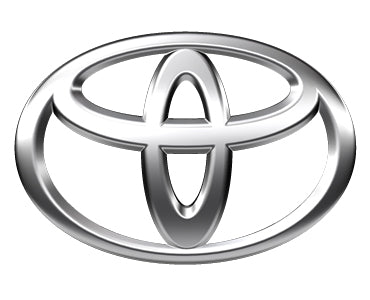
Related Reading: TEQ Badge + 2UZ-FE V8: The Heritage That Built an Empire · 1FZ-FE Engine Guide: Specs & Upgrades · 2UZ-FE 4.7 V8 Complete Guide · 5VZ-FE Engine Guide · TRD vs. Gazoo Racing Explained · FJ40 Land Cruiser Buyer's Guide · 80-Series FZJ80 Buyer's Guide · Toyota Hilux History |
Keep reading
The Definitive Encyclopedia of Toyota 4x4 Off-Road History
The ultimate guide to Toyota's 4x4 legacy. Explore the complete history of the Land Cruiser, Hilux, 4Runner, Tacoma, Tundra, and TRD. Specs, engines, and off-road dominance.
Ivan "Ironman" Stewart: 84 Wins, 3x Baja 1000 Champion
The full story of Ivan Stewart, 84 desert victories, 3 Baja 1000 wins, and the ironworker who became Toyota's greatest off-road racer. Career stats & legacy.
The History of the Toyota Hilux: From Humble Beginnings to Indestructible Legend
The complete Toyota Hilux timeline from its 1968 debut to global icon status. How it survived Top Gear, war zones, and 50+ years of abuse to become the world's toughest truck.
The Toyota 4Runner: Evolution of an Off-Road Icon and Nevada Trail Master
The Toyota 4Runner started in 1984 as a Hilux-based SUV and has evolved through six generations into a 2025 hybrid powerhouse with unmatched off-road tech. From Nevada deserts to global adventures, it's the ultimate reliable rig. Share with your 4Runner crew! Gear up for your next Nevada escapade with toyotadata.com Toyota 4Runner-inspired apparel. Our screen-printed hoodies, embroidered hats, and custom tees are built tough, just like your ride. Shop now for nationwide shipping!